Dragon: A Designer’s Take on Layered SVG Cuts
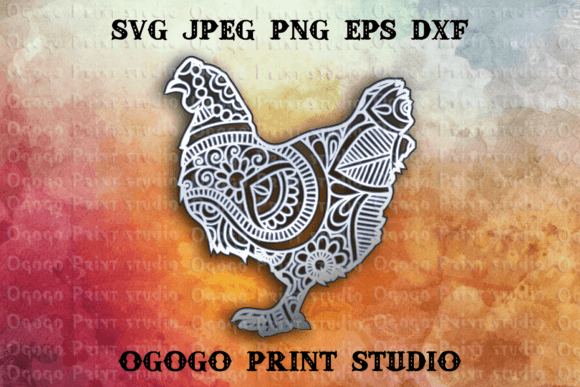
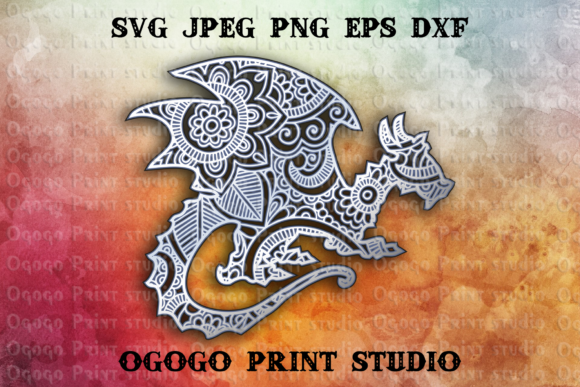
As someone who has spent years digitizing designs and reviewing countless machine embroidery design files, I have developed a keen eye for what translates well from screen to stitch. When I first opened the Dragon file, my initial reaction was one of cautious curiosity. This is not a traditional embroidered motif in the classic sense; it is a layered cut file, specifically described as a multilayered Mandala monogram SVG within the Shapes category. For the modern craft entrepreneur, understanding the distinction between a stitched design and a cut-ready 3D SVG is crucial for product development.
The visual personality of Dragon is bold and intricate. It carries a mood that balances mythical strength with decorative elegance. The three-layer structure suggests depth, which is a significant advantage when creating tactile, high-value items. In my experience, customers are drawn to products that look complex but are efficient to produce. This design fits that bill perfectly, provided you understand its intended workflow.
Real-World Application: The Custom Tote Test
To evaluate Dragon properly, I imagined a real-life scenario involving a custom order for a boutique client. The request was for a set of premium canvas tote bags for a local fantasy-themed book club. This is where the practical utility of a vector cutting file shines. Unlike a dense fill stitch embroidery that might stiffen a large area of fabric, a layered cut design allows for creative material mixing.
I envisioned using the Dragon layers to create an appliqué effect. By cutting the base layer from a contrasting felt or vinyl and the upper mandala details from metallic heat-transfer vinyl, the design gains a luxurious, textured presence. This approach transforms a simple tote bag design into a statement piece. The finished product would feel substantial and professional, appealing to buyers who appreciate handmade quality without the bulk of heavy thread coverage.
For Etsy sellers and small shop product creators, this versatility is key. You are not limited to thread. You can experiment with fabric scraps, leather, or even wood veneers if your cutting machine supports it. This flexibility makes Dragon a valuable asset in your library of design assets, allowing you to offer varied price points and styles under a single thematic umbrella.
Performance Across Different Products
Beyond totes, how does Dragon perform on other common substrates? Let’s consider sweatshirt embroidery. While this is a cut file, many crafters combine cutting and stitching. You could cut the Dragon shape from fleece or felt and then secure it with a neat satin stitch or a decorative running stitch border. This hybrid technique reduces puckering on stretchy fabrics, a common issue with large, dense embroidered areas.
For baby embroidery projects, caution is advised. The intricate details of the mandala monogram might be too small or delicate for items that undergo frequent washing and rough handling. However, if scaled up and simplified by using fewer layers or thicker materials, it could work beautifully on a nursery wall hanging or a special occasion blanket. The key is adapting the scale to the end-use.
In the realm of holiday embroidery and seasonal gifts, Dragon offers a unique alternative to standard snowflakes or pumpkins. Its mythical theme fits well with Halloween, fantasy conventions, or even as a bold accent for masculine-themed personalized gift items. The 3D SVG nature allows for shadow box effects if layered with foam spacers, adding a dimension that flat embroidery cannot achieve alone.
Technical Considerations and Fabric Compatibility
Working with layered cut files requires a different mindset than traditional digitizing. Since Dragon is designed for craft-cutting machines like Silhouette or Cricut, your primary concerns shift from stitch density and needle breaks to blade sharpness and material grip. However, if you are integrating this into an embroidered piece, several factors come into play.
First, consider the hoop size. If you plan to stitch around the cut elements, ensure your hoop can accommodate the full design plus the necessary stabilization. Textured fabrics like terry cloth or thick denim can pose challenges for intricate cuts. The blade might drag or miss fine details if the fabric shifts. Always use a strong, cut-resistant stabilizer beneath the material during the cutting process to maintain integrity.
Dark fabrics present another consideration. If you are using the cut layers as a base for embroidery, ensure your thread colors provide sufficient contrast. A dark-on-dark combination might lose the intricate mandala details unless you use metallic or high-sheen threads to catch the light. Testing on scrap fabric is non-negotiable here. Do not assume the digital preview will match the physical result.
Enhancing Brand Value and Customer Trust
From a business perspective, the quality of your embroidery project directly impacts customer trust. A clean, well-executed Dragon design signals professionalism. Whether you are selling custom apparel, embroidered patch items, or home decor, consistency in presentation matters. Use high-quality printable mockup images to showcase the layered effect before production. This helps manage customer expectations and reduces return rates.
For commercial embroidery clients, such as corporate gifts or event merchandise, the durability of the application is paramount. If using heat-transfer vinyl for the Dragon layers, ensure proper pressing time and temperature to prevent peeling. If combining with stitching, reinforce stress points. A durable handmade product leads to repeat business and positive reviews, which are the lifeblood of any craft business.
Practical Designer Notes for Best Results
Before committing to a full production run of Dragon-themed items, take these practical steps:
- Test on Scrap Fabric: Always run a test cut and stitch on the exact material you plan to use. Check for fraying edges or incomplete cuts.
- Check Thread Color Contrast: If stitching over or around the cut layers, ensure your thread colors pop against the background fabric.
- Review Stitch Density: If adding embroidery elements, keep the stitch count moderate to avoid stiffening the fabric excessively.
- Confirm Hoop Size: Ensure your machine’s hoop can handle the dimensions of the layered design.
- Inspect Small Details: Zoom in on the vector file. Are the mandala points sharp enough to cut cleanly? Adjust scale if necessary.
- Test Black and White Mockups: View the design in grayscale to check for value contrast and visual balance.
- Compare Light and Dark Backgrounds: See how the layers stand out on different fabric colors to determine best-selling combinations.
- Use Proper Stabilizer: Choose a stabilizer that supports both the cutting and any subsequent stitching processes.
- Verify Licensing: Confirm whether the license allows for commercial sale of finished physical items. Most cut files allow this, but always read the specific terms provided with the download.
In conclusion, Dragon is a versatile and visually striking addition to your creative toolkit. It bridges the gap between digital precision and tactile craftsmanship. By understanding its strengths as a layered 3D SVG and applying it thoughtfully across various products, you can create standout items that resonate with customers. Whether you are an experienced Etsy seller or a hobbyist looking to elevate your embroidery file repertoire, this design offers ample opportunity for innovation and profit. Just remember to test, adapt, and refine your process for each unique application.