Papercut Raccoon 3D SVG for Shadow Boxes
As a digital publisher who has spent over a decade refining the visual identity of content-driven websites, I have learned that the difference between a bounce and a conversion often comes down to split-second visual recognition. When I first encountered Papercut Raccoon Eating Noodle on the Mo, my immediate reaction was not just about the cuteness factor, but about its utility as a high-impact graphic design asset. In an era where readers scroll past generic stock photography without a second glance, unique, stylized illustrations serve as powerful anchors for brand identity.
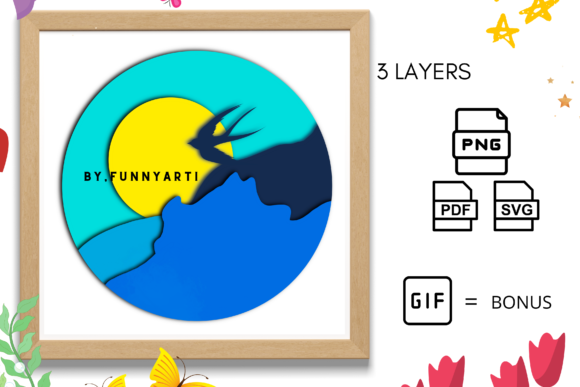
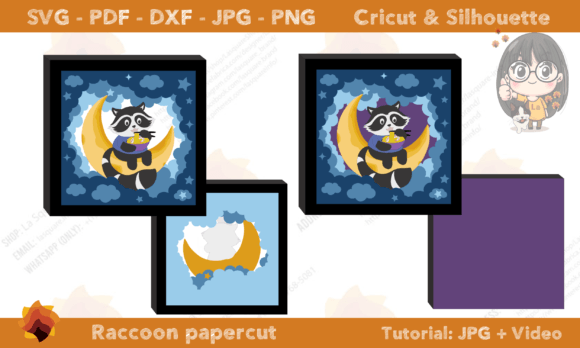
This particular piece features a whimsical raccoon enjoying noodles against a lunar backdrop, rendered in a layered papercut style. For bloggers, newsletter creators, and affiliate marketers, this is not merely a decorative element; it is a strategic tool for editorial design. The aesthetic strikes a delicate balance between playful and polished, making it ideal for lifestyle blogs, creative entrepreneurship platforms, and educational content that aims to feel approachable yet professional. It avoids the sterile look of corporate clipart while maintaining the clean lines necessary for modern web design.
Elevating Editorial Mood and Reader Perception
The mood established by Papercut Raccoon Eating Noodle on the Mo is distinctly artistic and narrative-driven. Unlike flat vector icons, the papercut style implies depth and texture, which subconsciously signals higher quality to the reader. When used in a website header or as a featured image, it creates a sense of warmth and creativity. This is crucial for niches such as DIY crafts, parenting, food blogging, or personal development, where trust is built through relatability and aesthetic cohesion.
From a publishing perspective, the visual hierarchy is immediately clear. The contrast between the dark silhouette of the raccoon and the lighter moon background draws the eye naturally. This supports better click-through potential because the human brain processes high-contrast, recognizable shapes faster than complex photographic scenes. For content marketing strategies that rely on quick engagement, this speed of processing is invaluable.
Strategic Applications in Content Publishing
The versatility of this digital download extends far beyond a single blog post. As a publisher, I evaluate assets based on their multiplicity of use. Here is how this asset performs across various channels:
- Pinterest Graphics: The vertical composition potential is strong. When placed on a branded background with bold typography, it makes for a highly clickable Pinterest pin that stands out in a crowded feed.
- Newsletter Headers: Email subscribers crave visual breaks from text. Using this raccoon illustration in a weekly digest adds personality and reinforces small business branding without overwhelming the message.
- Digital Products and Lead Magnets: If you are creating a digital guide or a printable worksheet, this asset can serve as a cover element or a section divider. It adds perceived value to free resources, encouraging higher opt-in rates.
- Social Media Graphics: For Instagram or Facebook posts, the layered look works well in carousel slides, helping to break up long-form captions with visual interest.
Furthermore, because this is a 3D SVG file, it offers scalability that raster images cannot match. Whether you are designing a massive billboard or a tiny favicon, the edges remain crisp. This is particularly relevant for designers working within Canva template ecosystems, where users expect drag-and-drop flexibility without loss of quality.
Performance Benefits for Website Owners
Integrating Papercut Raccoon Eating Noodle on the Mo into your site does more than decorate; it optimizes user experience. Consistent use of distinctive design assets improves category recognition. If readers begin to associate this specific artistic style with your helpful tutorials or honest reviews, you are building a visual shorthand for trust. This is the essence of effective brand identity.
Moreover, custom illustrations reduce reliance on overused stock photos, which can make a site feel generic or spammy. By using unique creative design elements, you signal to both readers and search engines that your content is original and carefully curated. This can indirectly support SEO efforts by increasing dwell time, as visitors are more likely to stay on a page that is visually engaging and easy to navigate.
Where to Use It and Where to Exercise Caution
While this asset is robust, it is not a one-size-fits-all solution. It works best in hero images, article thumbnails, and as accent pieces in editorial layouts. However, publishers should be cautious when using it in small mobile thumbnails where intricate details might get lost. Additionally, avoid placing it on busy, patterned backgrounds that compete with the papercut layers. High contrast is key.
For serious professional niches such as legal services, financial advising, or medical information, the playful nature of a raccoon eating noodles may undermine authority. In these cases, reserve the asset for internal team communications or lighthearted holiday posts rather than core service pages. Always consider the context of commercial design and whether the tone matches the intent of the page.
Practical Publisher Notes for Implementation
Before deploying Papercut Raccoon Eating Noodle on the Mo across your digital properties, conduct a thorough review. Test the image on both desktop and mobile screens to ensure legibility. Preview it inside your actual blog layout to check how it interacts with your existing color palette. Experiment with typography by placing it beside serif, sans serif, and script fonts to find the most harmonious pairing.
Pay close attention to file size. While SVGs are lightweight, any accompanying PNG or JPG versions for social media should be compressed properly to maintain fast load times. Slow sites kill conversions. Finally, always confirm the commercial license terms. Since this is a digital product intended for creative use, ensure you have the rights to use it on monetized websites, affiliate pages, and in paid content products. The package includes a graphic tutorial and stop-motion video insights, which can be invaluable for understanding how to layer the elements for maximum impact in Shadow Boxes or digital composites.
In conclusion, Papercut Raccoon Eating Noodle on the Mo is more than a cute illustration; it is a versatile tool for modern publishers. By integrating such high-quality printable design elements into your workflow, you elevate the perceived value of your content, strengthen your brand presence, and create a more engaging experience for your audience. In the competitive landscape of affiliate marketing and content creation, these visual distinctions are what turn casual visitors into loyal followers.