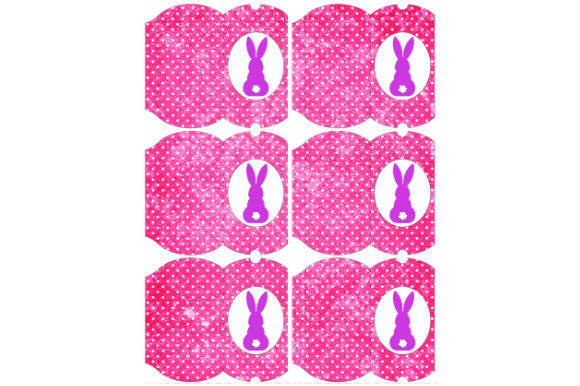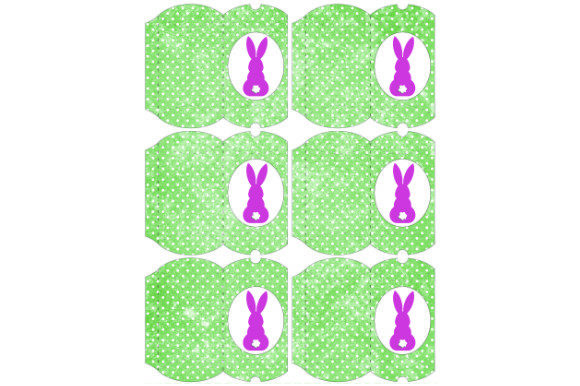
Pillow Boxes Bunny B.17: A Designer’s Review
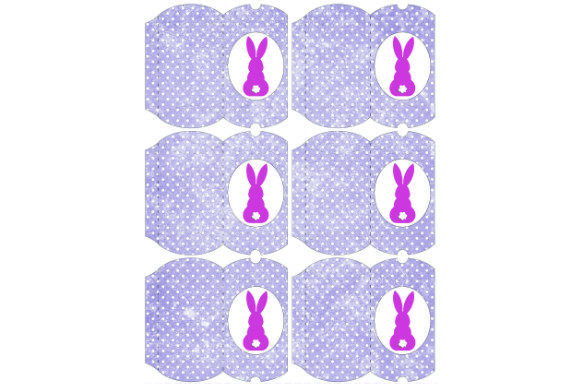
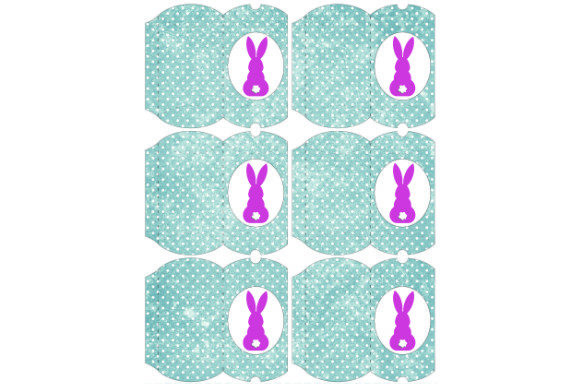
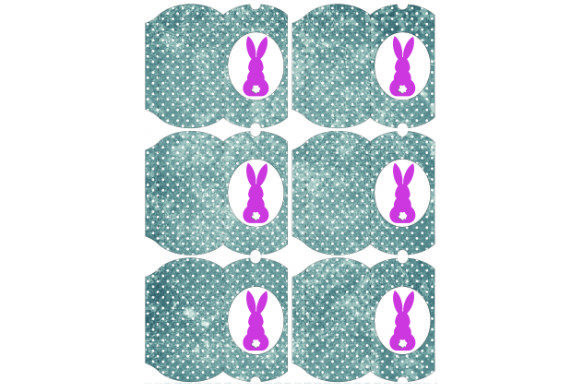
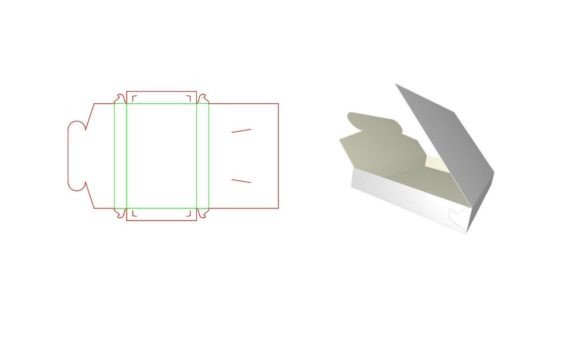
As an embroidery designer who spends more time staring at digitized paths than I do sleeping, I have learned to be skeptical of cute concepts. We see thousands of machine embroidery design files pass through our folders every year. Some are technically sound but soulless; others are charming but impossible to stitch cleanly. When I opened the file for Pillow Boxes Bunny B.17, my initial reaction was one of cautious curiosity. It is marketed as a set of six tiny, printable pillow boxes, categorized under Gift Boxes and available as a 3D SVG. But for those of us in the trade, the question is not just about the digital file—it is about how this aesthetic translates when needle meets fabric.
The First Impression: Mood and Visual Personality
The immediate vibe of Pillow Boxes Bunny B.17 is soft, celebratory, and undeniably spring-forward. The bunny motif suggests innocence and joy, making it a natural fit for specific niches. Visually, the layout feels balanced. It does not scream for attention with aggressive lines or overly complex shading. Instead, it relies on clean shapes and a friendly demeanor. For a designer, this is a good starting point. Complex, noisy designs often fail in production because they lose clarity. This design, however, appears to prioritize readability.
I imagine this aesthetic working beautifully for bridal showers, baby showers, and Easter celebrations. The "pillow box" concept implies a three-dimensional, tactile experience. While the product description highlights its use as a printable favor box, my mind immediately jumps to how these graphics can be adapted for textile applications. Can we take this cute, little visual identity and apply it to a handmade product that lasts longer than a paper box? The answer, I believe, is yes, provided we respect the limitations of the medium.
Real-World Application: From Digital File to Finished Product
Let us move away from theory and look at a real case scenario. Suppose I am preparing a custom order for a boutique client launching a line of baby gifts. They want a cohesive look for their packaging and their textile items. Here is where Pillow Boxes Bunny B.17 shines as a design asset. I would not necessarily stitch the entire 3D box structure, as that is better suited for paper crafting. Instead, I would extract the core bunny graphic and thematic elements to create a complementary embroidered patch or a direct-to-garment design.
Imagine this design stitched onto a high-quality cotton tote bag. The bunny motif, with its gentle curves, would look exceptional using a combination of satin stitch for the outlines and a light fill stitch for the body. On a tote, the design becomes a statement piece. It transforms a simple bag into a personalized gift that feels thoughtful and curated. Similarly, for sweatshirt embroidery, the design’s simplicity ensures it does not become bulky. Heavy stitching on a sweatshirt can feel stiff and uncomfortable against the skin. By keeping the stitch density moderate, we maintain the softness of the garment while adding visual interest.
For Etsy sellers and small shop owners, versatility is key. This design could easily anchor a line of holiday embroidery products. Think of tea towels with the bunny peeking out from a corner, or aprons for a spring baking collection. The visual appeal here drives customer trust. When a buyer sees a clean, well-executed design, they perceive higher value. It signals professionalism. A messy, poorly digitized bunny undermines brand consistency, but a crisp, clear image like this reinforces it.
Technical Considerations and Stitching Challenges
However, enthusiasm must be tempered with technical reality. As a reviewer, I must point out where Pillow Boxes Bunny B.17 requires careful handling. The description mentions these are "tiny" boxes. In embroidery, "tiny" is often a warning sign. If you attempt to scale this design down too far for a small hoop size, such as a 4x4 inch hoop, you risk losing detail. Tiny lettering or intricate ears may merge into a blob of thread if the resolution is not managed correctly.
Fabric choice is another critical variable. This design would struggle on highly textured fabrics like thick terry cloth or loose-weave linen unless properly stabilized. The fabric texture can swallow fine details. For best results, I recommend using a cut-away stabilizer for garments that will be washed frequently, such as baby embroidery items or kitchen towels. A tear-away stabilizer might suffice for decorative pieces that will not undergo rigorous laundering, but for commercial viability, durability is non-negotiable.
Color selection also plays a pivotal role. The design’s success depends heavily on thread colors. On dark fabric, you must ensure there is enough contrast. A pastel bunny on navy blue might disappear if the stitch path is not dense enough or if the thread shade is too subtle. I always advise testing the design in black and white mockups first. If the design loses its form without color, it relies too much on hue rather than shape. A strong design holds up in monochrome.
Commercial Viability and Brand Consistency
For commercial embroidery projects, licensing is the elephant in the room. The product description notes these are printable pillow boxes, which suggests a focus on paper crafts. Before using this as a digital embroidery file for resale, you must confirm the license terms. Can you sell finished items? Can you use the graphic on physical goods? Never assume. Check the documentation provided by the creator. Using a design incorrectly can lead to legal issues that no amount of beautiful stitching can fix.
Assuming the license permits it, this design has strong potential for craft business growth. It fits neatly into the "giftability" category. People love buying things that look like gifts. A cap with a subtle bunny emblem, or a pillow cover with the motif centered, feels special. It enhances buyer engagement because it taps into emotional triggers—nostalgia, celebration, and care.
Practical Designer Notes for Best Results
- Test on Scrap Fabric: Never run a new design on your final product first. Use scrap pieces of the same material to check for puckering or thread breaks.
- Check Stitch Density: If the design feels stiff after stitching, reduce the density in your editing software. This is crucial for custom apparel that needs to drape naturally.
- Contrast is King: Ensure your thread colors stand out against the background fabric. Test on both light and dark swatches.
- Verify Hoop Size: Confirm that the design fits comfortably within your machine’s hoop without requiring excessive re-hooping, which can distort the image.
- Inspect Small Details: Zoom in on the digital file. Are there tiny jump stitches or unnecessary nodes? Clean up the file if necessary to ensure smooth execution.
- Confirm Licensing: Before listing any small shop product featuring this design, read the license agreement thoroughly. Understand the difference between personal use and commercial rights.
Final Verdict
Pillow Boxes Bunny B.17 is a charming addition to a designer’s library, particularly for those focusing on spring, baby, and celebration themes. Its strength lies in its simplicity and emotional resonance. However, its success in embroidery depends entirely on execution. It is not a plug-and-play solution for every fabric or hoop size. It requires thoughtful adaptation, proper stabilization, and a keen eye for color contrast.
For the apparel decorator or creative entrepreneur, this design offers a solid foundation for building a cohesive product line. Whether used on a tote bag design, a nursery decor item, or as part of a larger applique design composition, it has the potential to elevate the perceived value of your work. Just remember: the digital file is only the beginning. The magic happens when you translate those pixels into threads with precision and care. Treat it with respect, test it rigorously, and it will serve your embroidery project well.