Reviewing the 86 Hug Emoji Embroidery Collection
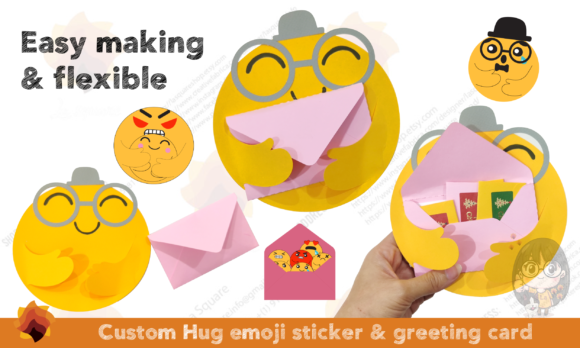
As a designer who has spent countless hours digitizing and testing files for client work, I approach every new machine embroidery design with a mix of curiosity and skepticism. We have all been there: you download a file that looks perfect in the preview, only to find it puckers the fabric or loses its charm once stitched out. Recently, I had the chance to evaluate the 86 Hug Emoji Greeting Cards and Stickers collection. This isn’t just a single motif; it is a comprehensive set of shapes and expressive icons that promise versatility for modern crafters. Here is my honest take on how this collection performs in real-world scenarios.
First Impressions: Mood and Visual Personality
The immediate appeal of the 86 Hug Emoji Greeting Cards and Stickers lies in its emotional resonance. In a digital age, the hug emoji has become a universal symbol of comfort, support, and affection. Translating this into an embroidery file requires a delicate balance. The design needs to be soft enough to convey warmth but structured enough to hold up under the needle. Upon loading the files into my editing software, I noticed the clean lines and thoughtful segmentation. These are categorized under Shapes, which suggests they are built for clarity rather than excessive complexity.
The inclusion of 19 silhouettes alongside the customized emoji faces adds a layer of professional utility. For an Etsy seller or a boutique owner, this means you are not just buying one image; you are buying a toolkit. The mood is undeniably cheerful and inviting, making it an ideal candidate for products meant to uplift the recipient. Whether it is for a "get well soon" gesture or a simple reminder of love, the visual personality of these designs feels authentic and current.
Real-World Application: From Digital File to Finished Product
To truly test the viability of this collection, I imagined several practical projects. The most obvious application is sweatshirt embroidery. A large hug emoji centered on a pastel pink or cream crewneck creates an instant bestseller for a small shop product. The rounded edges of the emoji translate well to fill stitch patterns, providing a plush, textured look that mimics the softness of the emotion itself.
I also considered its use in baby embroidery. Parents are constantly seeking unique, personalized items. A small hug emoji on a muslin swaddle or a baby onesie offers a subtle, sweet accent. Because the design elements are distinct, they do not overwhelm the small canvas of infant clothing. Furthermore, the 3D SVG nature of some included assets allows for hybrid projects. You might use the embroidery for the face and combine it with cut-out vinyl or fabric applique for the arms, creating a mixed-media handmade product that stands out in a crowded market.
Another strong contender is the tote bag design. Canvas bags are sturdy and handle higher stitch density well. Placing a row of different hug emojis along the bottom hem or as a central focal point can turn a basic bag into a statement piece. The variety within the 86 designs ensures that you can create sets—perhaps one bag for mom, one for dad, and one for the kids—each with a slightly different expression but a cohesive theme.
Technical Considerations for Stitching Success
While the aesthetic is strong, the technical execution is where many designs fail. With the 86 Hug Emoji Greeting Cards and Stickers, attention to detail is key. When working with curved surfaces like caps or hats, the stability of the design is crucial. I recommend using a cut-away stabilizer for stretchy fabrics like jersey knits or fleece to prevent distortion. The hoop size must be chosen carefully; while some emojis are small enough for a 4x4 hoop, others may require a 5x7 or larger to maintain their proportion without crowding the edges.
Fabric texture plays a significant role here. On high-pile fabrics like terry cloth towels or fluffy blankets, fine details can get lost. For these applications, I suggest simplifying the design by removing any tiny internal details or opting for a satin stitch border to define the shape clearly. Conversely, on smooth cotton or linen, the full detail of the digital embroidery file will shine. Always test the design on scrap fabric first. This step is non-negotiable for professional results. Check your thread colors against the fabric background. A yellow emoji on white fabric might lack contrast, whereas the same design on navy blue pops vibrantly.
Navigating Challenges: Where to Be Careful
No design is universal, and this collection is no exception. There are specific scenarios where you should proceed with caution. Tiny lettering or intricate facial features within the emojis may not stitch out cleanly on very thin or slippery fabrics like silk or rayon. In these cases, the running stitch elements might shift, leading to a messy finish. If you are creating an embroidered patch for iron-on application, ensure that the density is high enough to cover the backing material completely, but not so dense that it becomes stiff and uncomfortable.
Additionally, consider the end-use of the product. Items that require frequent washing, such as kitchen towels or children’s clothes, need robust stitching. Verify that the connection points between different color blocks are secure. If the design includes small, isolated areas, they may pull away over time. For commercial embroidery projects where durability is paramount, you might need to adjust the underlay stitches in your software to provide a stronger foundation.
Enhancing Brand Value and Customer Trust
From a business perspective, the 86 Hug Emoji Greeting Cards and Stickers collection offers more than just pretty pictures. It provides consistency. Using a cohesive set of designs across your product line helps build brand recognition. When customers see a high-quality, well-stitched emoji on a pillow cover, they associate that quality with your brand. This builds trust and encourages repeat purchases.
The versatility of the pack allows for creative marketing. You can create printable mockup images showing the designs on various products, helping customers visualize the final result. This is particularly useful for online listings where tactile experience is missing. By offering personalized options—such as adding a name below the hug emoji—you increase the perceived value of the item. It transforms from a generic decoration into a personalized gift with emotional weight.
Final Designer Notes and Licensing
Before you commit to a large production run, take the time to review the specific file formats provided. While the description mentions 3D SVG and greeting card templates, ensure you have the correct embroidery file formats compatible with your machine (such as PES, DST, or JEF). If these details are not explicitly listed in the product description, contact the seller or check the download folder carefully.
Licensing is another critical factor. Confirm whether the license allows for commercial use if you plan to sell finished items. Most designers allow selling physical products but restrict the resale of the digital files themselves. Respect these terms to maintain professionalism in the crafting community.
In conclusion, the 86 Hug Emoji Greeting Cards and Stickers is a robust resource for modern makers. It balances trendiness with timeless sentiment. By paying attention to fabric choice, stabilizer type, and stitch adjustments, you can leverage this collection to create stunning custom apparel, heartfelt gifts, and profitable craft business items. It is a tool that, when used with skill and care, can significantly enhance your portfolio and delight your customers.