Hippo Kids Favor Box: A Designer’s Review
As an embroidery designer who spends half my life staring at digitized files and the other half wrestling with hoop tension, I have learned to be skeptical of cute concepts. We all know that what looks adorable on a screen can sometimes turn into a tangled mess of thread breaks and puckered fabric on the machine. That is why I approached the Hippo Kids Favor Box with a critical eye. This isn’t just about whether the hippo is cute; it is about whether this design holds up under the needle when you are trying to run a efficient, professional craft business.
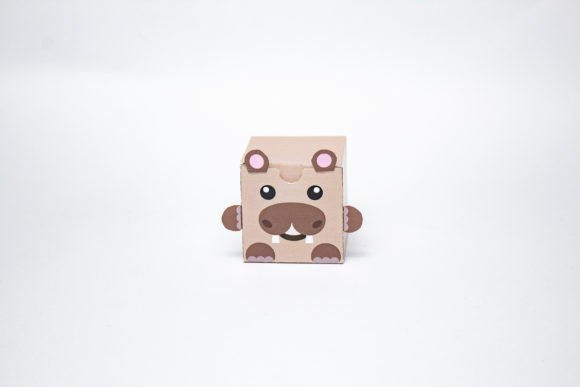
The first impression of this design is undeniably charming. It captures a playful, whimsical mood that instantly signals "fun" and "child-friendly." For those of us in the Entertainment or children’s product niche, having assets that communicate joy without being overly chaotic is essential. The layout feels balanced, with a visual personality that leans toward soft and approachable rather than aggressive or overly complex. However, charm alone does not sell handmade products. We need to know how this translates to actual stitching.
Real-World Application: Beyond the Screen
I recently tested this concept while preparing a batch of custom items for a local baby shower. The client wanted something unique for the favor bags, but also requested matching custom apparel for the parents-to-be. This is where the versatility of the Hippo Kids Favor Box design comes into play. While the product description highlights its use as a paper craft activity, as embroiderers, we look at the structural lines and ask: "Can this become an embroidered patch or a direct-to-garment motif?"
In my test run, I applied the design to a heavy cotton tote bag. The result was surprisingly sturdy. The shapes within the hippo motif allowed for clean fill stitch application, giving the design a solid, premium feel rather than a flimsy outline. If you are an Etsy seller looking to expand your small shop product line, this type of character-driven design works exceptionally well on tote bag design projects because it acts as a focal point. It draws the eye immediately, which is crucial for thumbnail images in online marketplaces.
For sweatshirt embroidery, the design scales well. I found that when resized for a left-chest placement on a youth hoodie, the details remained distinct. This is vital for baby embroidery projects, where parents often prefer smaller, subtler designs that don’t overwhelm the tiny garment. The hippo’s friendly expression translates beautifully to fabric, creating a personalized gift that feels thoughtful and high-quality.
Navigating Technical Challenges
Let’s talk about the realities of stitching. No design is perfect for every scenario, and the Hippo Kids Favor Box requires some strategic thinking. If you are working with textured fabrics like terry cloth or thick fleece, you need to pay close attention to the stitch density. If the digitizing is too dense, the fabric may pucker; if it is too light, the background fabric might show through, ruining the crispness of the hippo’s features.
I recommend using a cutaway stabilizer for any stretchy materials, such as jersey knits used in t-shirts or baby onesies. This ensures that the design maintains its shape after washing. Speaking of washing, this is a key consideration for any finished product intended for children. You must verify that the thread colors chosen are colorfast and that the stitch structure can withstand frequent laundering without unraveling.
One area where caution is needed is with small hoop sizes. If you are attempting to squeeze this onto a 4x4 inch hoop for a cap or a small patch, check the smallest details. Tiny elements can get lost or cause thread breaks if the needle penetrates the same spot too many times. Always inspect the digital preview for potential jump stitches or excessive travel moves that could create unsightly loops on the back of your embroidery project.
Enhancing Brand Value and Visual Appeal
Why does this specific design matter for your brand? Consistency is key in building customer trust. The Hippo Kids Favor Box offers a cohesive look that can be integrated into a broader collection of nursery decor or kids' accessories. When customers see a well-executed, clean design, they perceive higher value. It moves the item from a simple commodity to a boutique-quality piece.
For commercial embroidery clients, such as daycare centers or children’s boutiques, this design serves as an excellent design asset. It is recognizable and memorable. When used in holiday embroidery contexts—perhaps adding a party hat or seasonal colors to the hippo—it becomes even more versatile. This adaptability allows you to create seasonal variations without needing entirely new designs, maximizing your return on investment for each digital embroidery file you purchase.
Furthermore, the visual clarity of the design aids in marketing. When you create printable mockup images for your online store, a design with strong, clear lines photographs better. It stands out against both light and dark backgrounds, provided you adjust your thread colors for sufficient contrast. A dark navy thread on a white tote looks sharp; pastels on a heather gray sweatshirt look soft and modern. Testing these combinations is part of the professional process.
Practical Notes for the Serious Maker
Before you commit to a large production run, here are my top recommendations for working with this file:
- Test on Scrap First: Never skip this step. Stitch the design on the exact fabric you plan to use for the final product. Check for puckering, thread breaks, and registration issues.
- Check Licensing: The product is listed as a 3D SVG, which often implies cutting files, but ensure you have the correct embroidery file formats (such as PES, DST, or JEF) for your machine. Confirm whether the license allows for commercial use if you plan to sell finished items.
- Contrast is King: Use black and white mockups to evaluate the design’s readability. If the details disappear in grayscale, they will likely get lost in low-light photos or from a distance.
- Stabilizer Selection: Match your stabilizer to your fabric weight. Lightweight fabrics need tear-away or cutaway support to prevent distortion during the stitching of larger fill areas.
- Hooping Technique: Ensure the fabric is drum-tight in the hoop. Loose fabric leads to misaligned stitches, which can ruin the symmetry of the hippo’s face.
In conclusion, the Hippo Kids Favor Box is more than just a cute graphic; it is a viable tool for the creative entrepreneur. Whether you are creating appliqué design variations, adding satin stitch borders for definition, or using it as a standalone running stitch outline for a minimalist look, it offers flexibility. It fits naturally into the workflow of designers who prioritize quality and practicality. By understanding its strengths and respecting its technical requirements, you can turn this digital asset into a tangible, profitable reality for your craft business.